Gym is a place that handles more foot traffic than a regular area with heavy weight and activities. There are more repeated movements, machine loads, and daily cleaning requirements to maintain the gym on a daily basis. That is why the quality of installation matters the most just as the material.
If you are fitting out a commercial fitness center or upgrading a private workout room, knowing the installation process, preparation, and expected pricing will provide you ease of mind.
Gym floor installation Dubai is the process of fitting a custom-made floor covering over a prepared surface so it can withstand the heavy exercises and fitness tools. Installers use the rubber rolls, interlocking tiles, EVA foam, or vinyl flooring which are trending choices for gym areas.
The job is not just a matter of putting material down over the space. It is necessary to look at the floor to determine if it is uneven, has any moisture, cracks, or dirt.
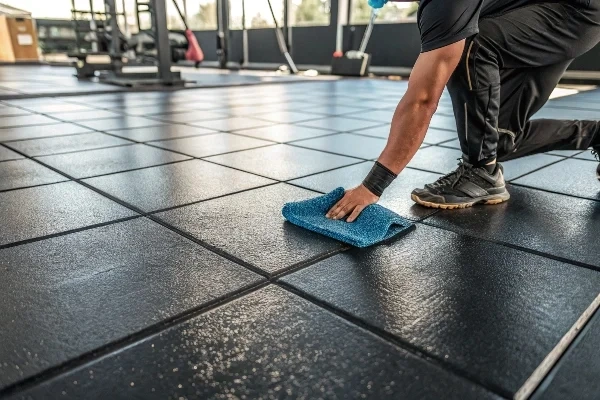
Prior to putting down another layer of flooring, an intensive examination of the current surface is required. It starts with the removal of dust, loose particles, dirt, oil, glue and other impurities. First of all, clear the damaged areas and fix the moisture for concrete flooring in order to fix flooring properly.
The right method varies according to the flooring type, room layout, and use. However, a structured gym flooring installation process usually follows several important stages.
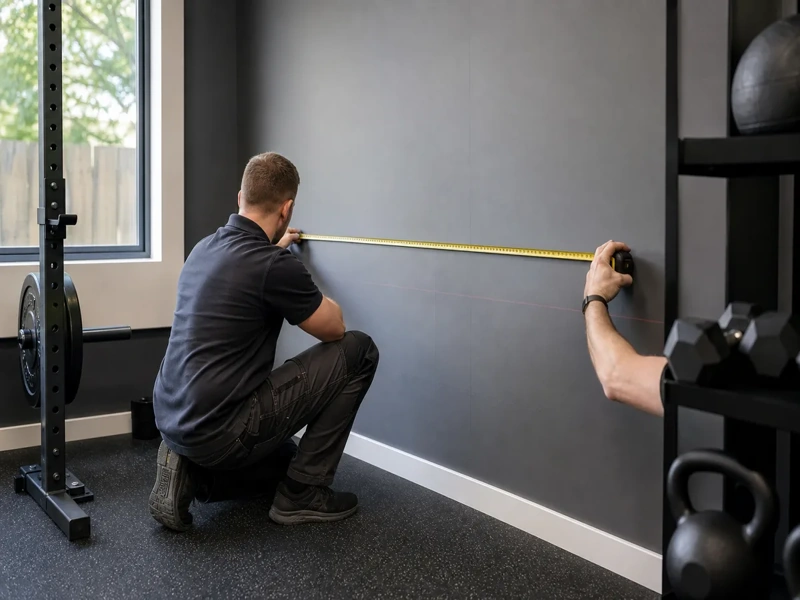
The installer starts working by measuring the length and width of the gym area and identifying unusual corners, columns, doorways, equipment zones, and other fixed features. Accurate measurements not only saves the material cost but provide precise fixing.
Once measurements are complete, the existing surface requires preparation. This needs cleaning of dust and dirt, repairing of damages on the surface, and levelling of the surface. Where the substance used is adhesive, it becomes necessary for the surface to be clean and primed.
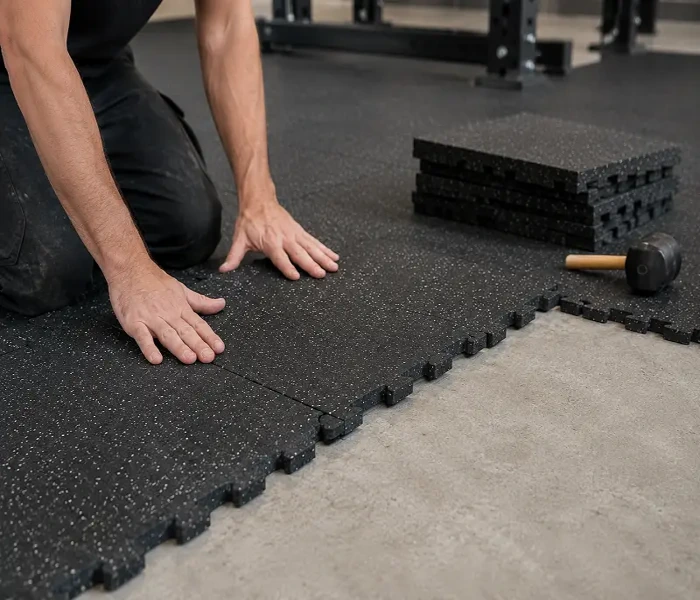
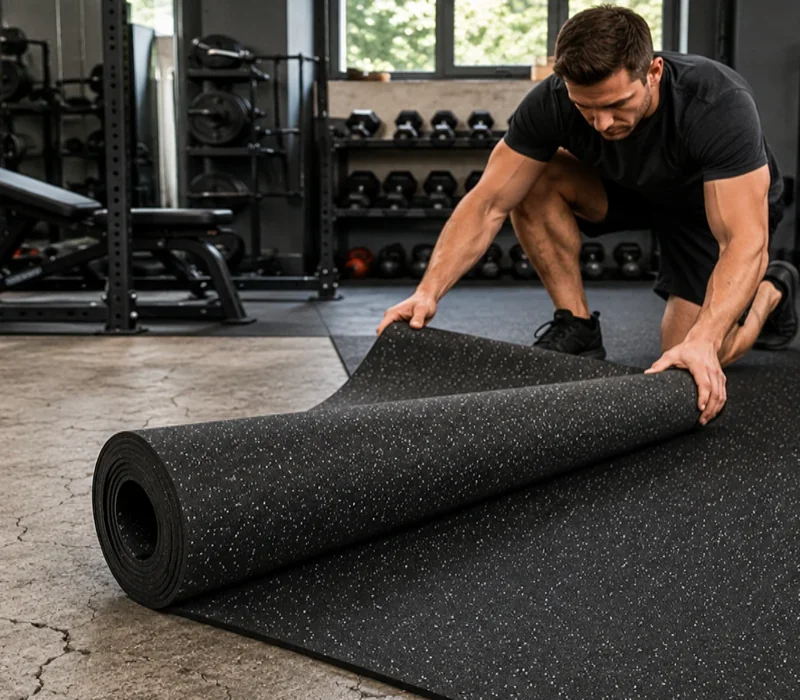
The flooring is then brought into the area and positioned according to the planned layout. Rolls require careful alignment, while tiles can be arranged in a suitable pattern. Installers cut around walls, columns, thresholds, equipment platforms, and other fixed objects.
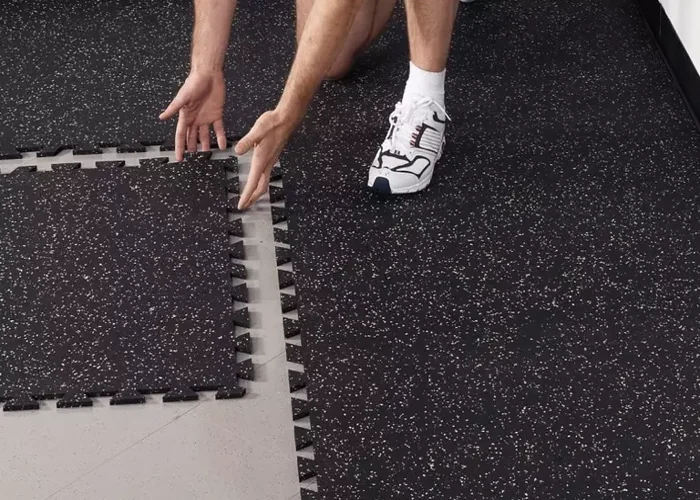
It depends on the type of flooring being used. While some tiles have locking edges, others need glue or special fixing. It is important to ensure that there is no unnecessary movement since the floor has to operate as expected during training.
The final is about checking the completed surface for visible gaps, loose sections, uneven edges, lifting, or alignment issues. The installer also checks transition areas around doors and between different flooring types.
Various workouts create different requirements, so one flooring solution does not suit every fitness environment. The following options are commonly used for different applications.
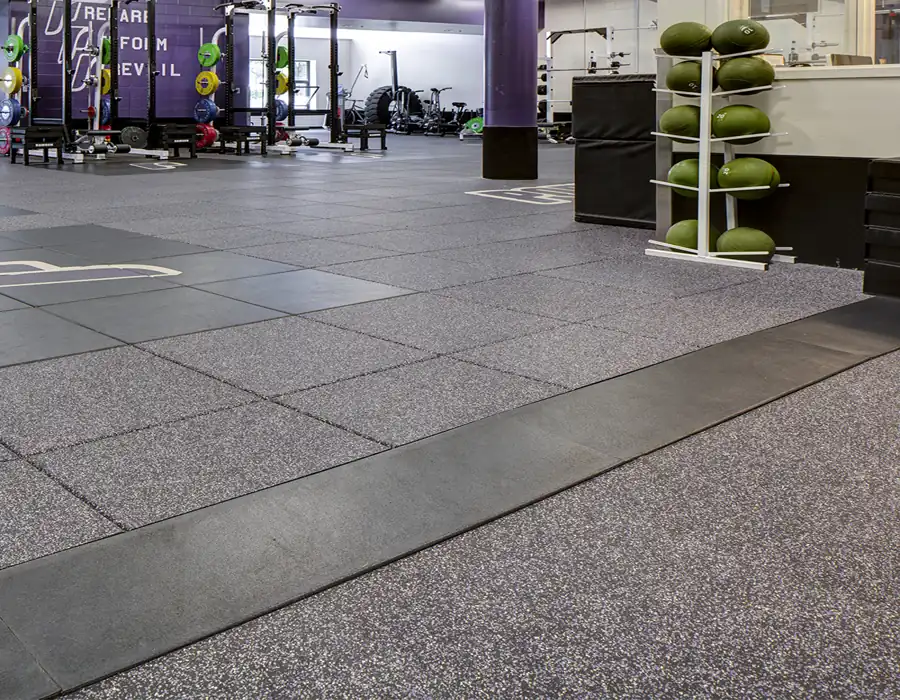
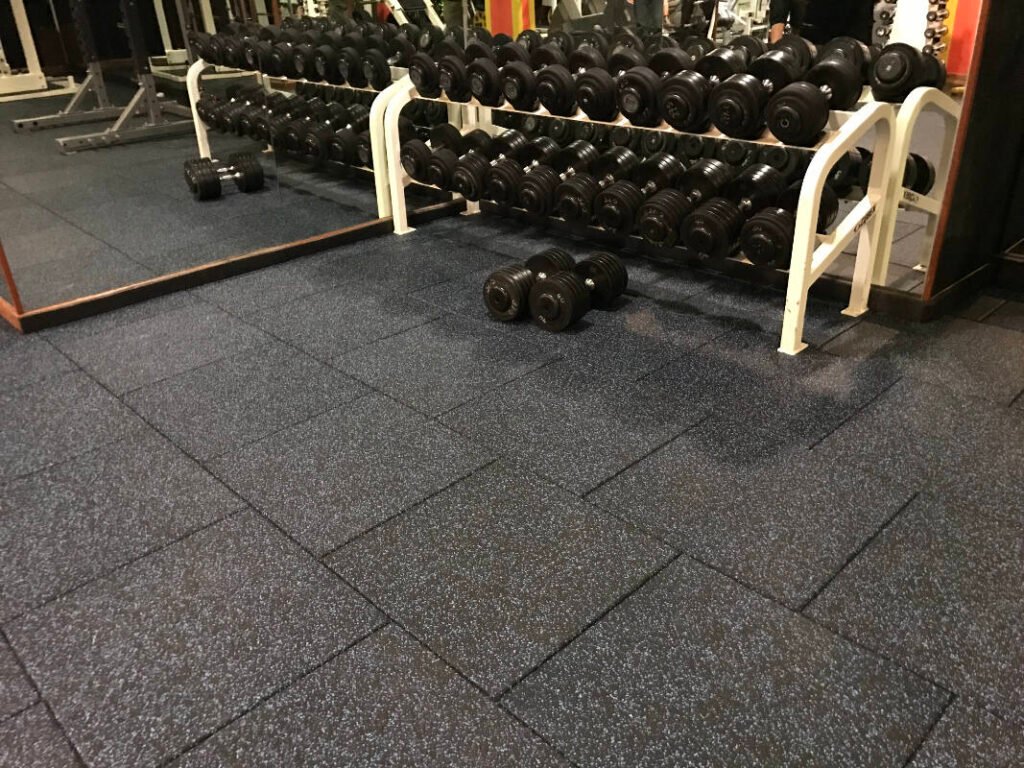
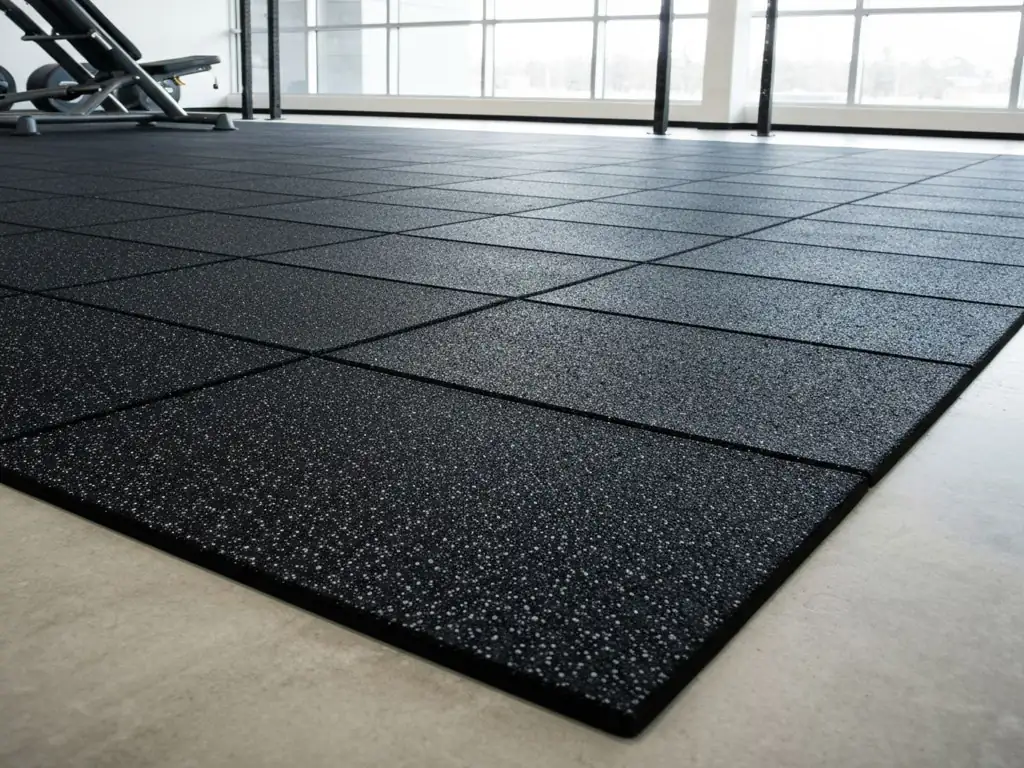
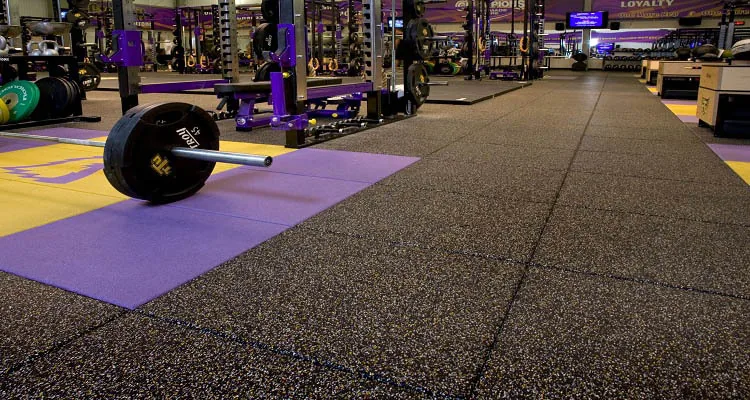
Rubber gym flooring installation is widely used in areas that handle weights, machines, and high foot traffic. It works particularly well beneath strength-training equipment and in commercial facilities where the floor receives intensive use.
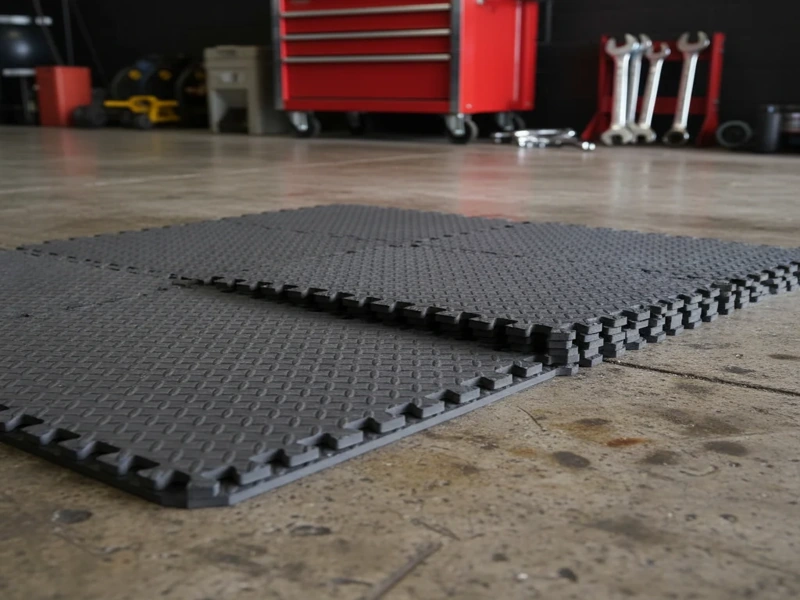
Interlocking tiles from the gym provide the perfect option for modular installation systems since the individual parts can fit into each other without having to make installation very difficult. They are useful for workout rooms, training zones, home gyms, and areas where selected sections need replacement in the future.
EVA foam provides a softer surface for the activities, such as stretching, children’s fitness, light exercise, yoga, and floor-based training. It is not normally the first choice for heavy weightlifting zones, where a denser and more impact-resistant product is generally more appropriate.
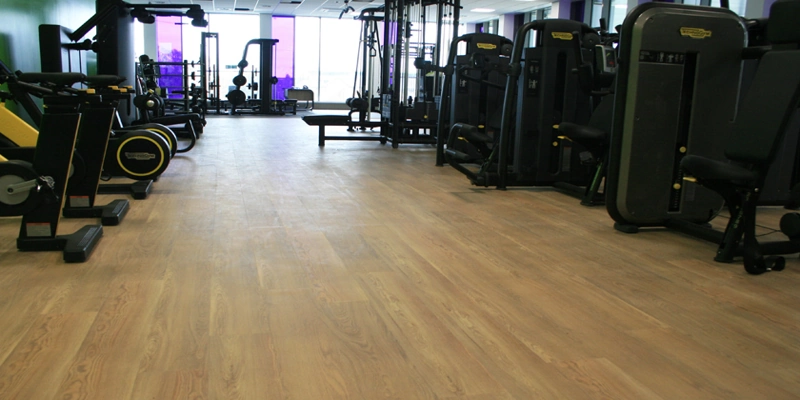
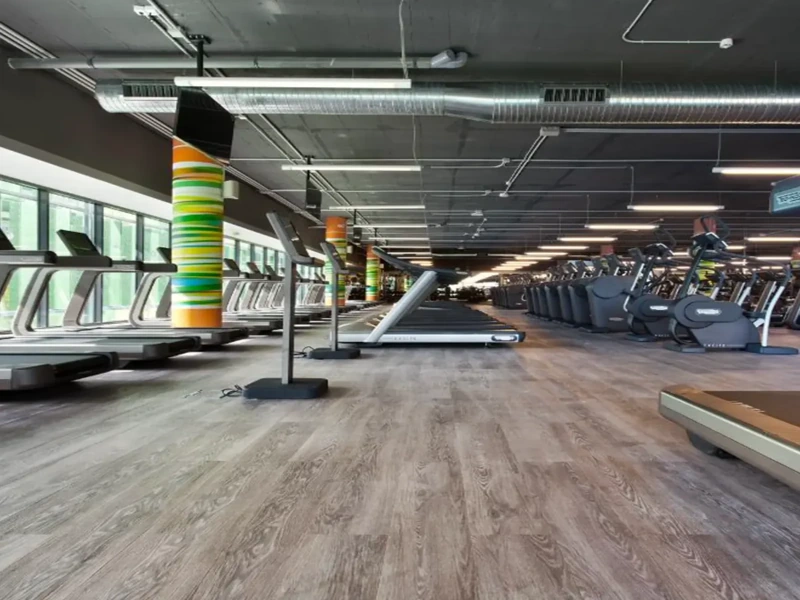
Vinyl floor is considered a good choice in terms of maintenance and multi-purpose usability. It provides an attractive appearance and shine for a transparent look.
The Gym Flooring Installation price depends on several project variables rather than one fixed rate. The price for gym flooring usually ranges from AED 40 to AED 250+ per square meter. Depending on the material chosen, the rubber flooring, foam, vinyl or interlocking tiles may differ in pricing.
The cost of the entire project is determined by a number of factors, including the size of the floor, the condition of the sub-flooring, the installation process, the thickness, design, accessibility of the site and its preparation. To provide an accurate estimate, it is important for the installer to visit the location.
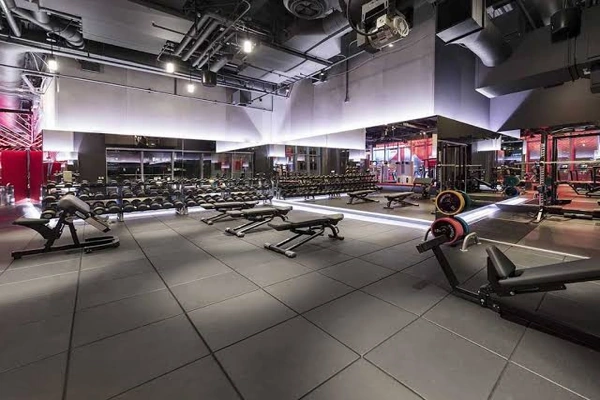
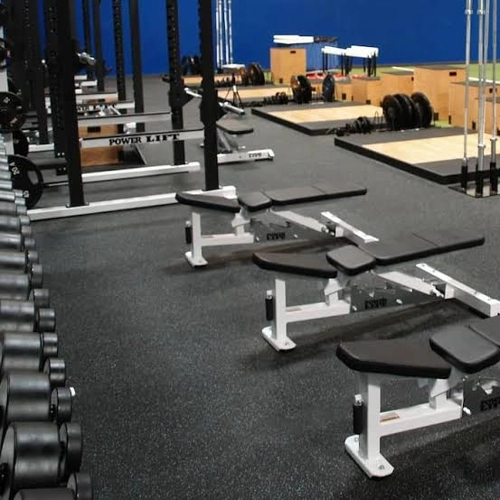
Commercial gyms require flooring that is capable of handling constant use, heavy equipment, and constant movement. Planning of installation must be done keeping in mind the segregation of areas for cardio, free weight, functional training, and circulation.
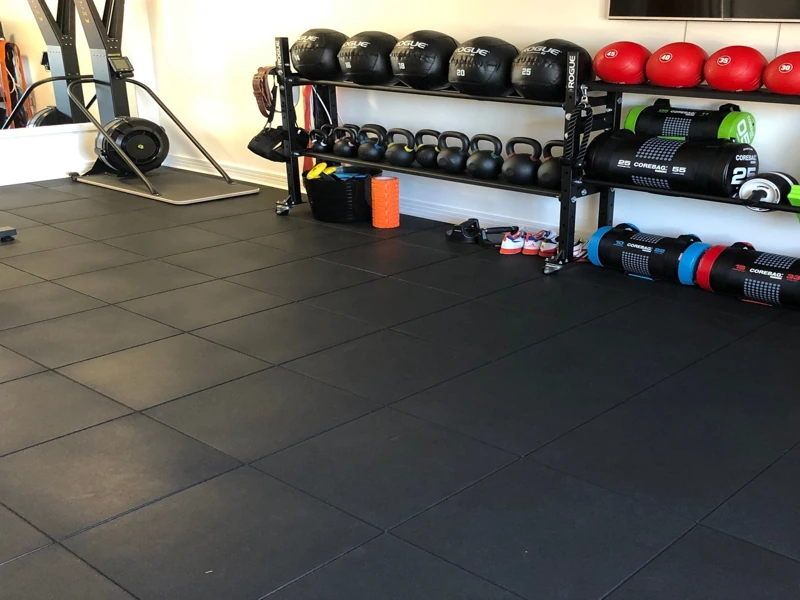
Home Gym flooring installation focuses more on efficient gym floors by not wasting material on areas where special flooring is not required. Rubber tiles and other floor pieces can be used around the treadmill, bench, racks, and free weight area as per the owner’s need.
The studio requires a floor that not only provides the ability to move but also matches the whole interior. It all depends on whether the studio is created for a collective training program or any other specific activity.
Weightlifting zones require special consideration because dropped or repositioned weights can place significant stress on the floor. Dense rubber products are commonly considered for these areas because they are designed for demanding environments. The base beneath the flooring requires proper preparation to support the intended use.
Training centers divide the space into perfect zones instead of forcing one material to serve every purpose. It improves usability by giving each area a surface proper training area requirements.
The best type of flooring becomes almost useless if not installed well. Professional installers know about the behavior of each product, the placement of the seams, finishing of the edges and other preparations that should be done to the old floor.
Professional Gym Flooring Installation also prevents typical mistakes like shift of tiles, gaps between tiles, incorrect alignment of the flooring, loose edges, uneven transitions and others. Professional Gym Flooring Installer Dubai knows about the room beforehand and knows how to install it in regard to the material and activities. For bigger orders, Commercial Gym Flooring Installation is needed as it needs to be prepared well before the installers start their work.
Before selecting a company to install flooring, questions should be asked regarding the flooring specification, preparation works, installation procedure, the anticipated duration of installation and the warranty period. It is also beneficial to ascertain whether the quoted price covers any subfloor preparation, cutting, adhesives, transport and finish work.
It would help if the installer was able to explain the flooring’s performance under your workout. A floor designed for light exercise cannot be suitable beneath heavy strength equipment. Finally, review previous installation projects where possible. Similar experiences within these types of spaces give a better sense of whether the installer has an understanding of what is needed in gyms.